World Space Week 2026: Theme Is Rocket Revolution (Oct 4-10)
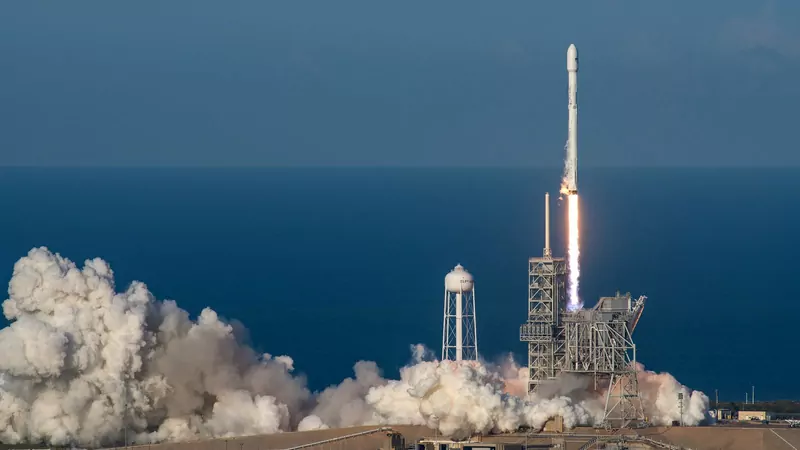
World Space Week 2026 runs from October 4 to 10, and its theme is "Rocket Revolution". The theme looks at how launching rockets has grown from a handful of government programs into a wide field of commercial companies, reusable rockets and newer space nations, according to The Planetary Society.
What World Space Week is
- A UN observance. The UN General Assembly declared it an annual event on December 6, 1999, Wikipedia notes.
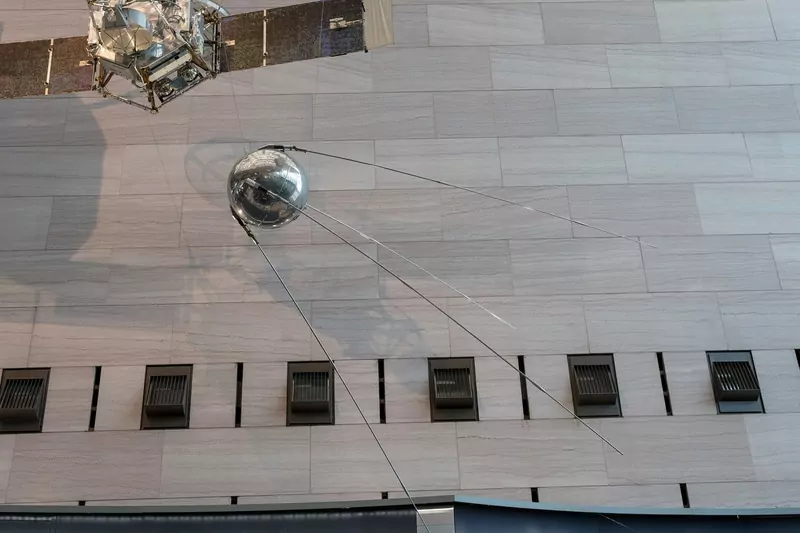
- Two dates in space history. It starts on the day Sputnik 1 launched, October 4, 1957, and ends on the day the UN Outer Space Treaty entered into force, October 10, 1967, SpacePolicyOnline explains.
- Run by a non-profit and local hosts. The World Space Week Association organizes it, and schools, museums, astronomy clubs and space agencies hold the events. The Planetary Society counts nearly 50,000 events in more than 100 countries in 2025.
This year's theme and the earlier ones
A new theme is set every year by the association's board. The last seven, per Wikipedia:
- 2026: Rocket Revolution
- 2025: Living in Space
- 2024: Space and Climate Change
- 2023: Space and Entrepreneurship
- 2022: Space and Sustainability
- 2021: Women in Space
- 2020: Satellites Improve Life
How to take part
- Find an event. The World Space Week website keeps a calendar of events by country and offers activity guides for teachers.
- Watch a launch. Astronomy magazine's schedule, published on September 30, lists two launches in the week. Korea's Nuri rocket is planned for 11:23 pm EDT on October 6 (03:23 UTC on October 7) with five NeonSat satellites, and SpaceX plans a Starlink launch from California at noon EDT (16:00 UTC) on October 10. Launch times often move, so check on the day.
- In Pakistan, SUPARCO has coordinated the week since 2005. For 2026 it plans contests in comic book design, rocket design and astrophotography, seminars in Karachi, a teachers' rocket workshop in Lahore and a free downloadable resource kit, the Associated Press of Pakistan reports.
Why the theme fits this year
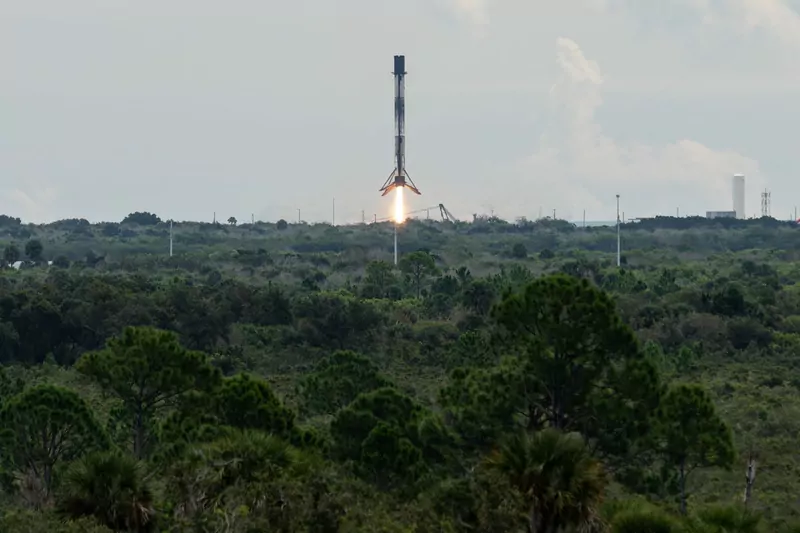
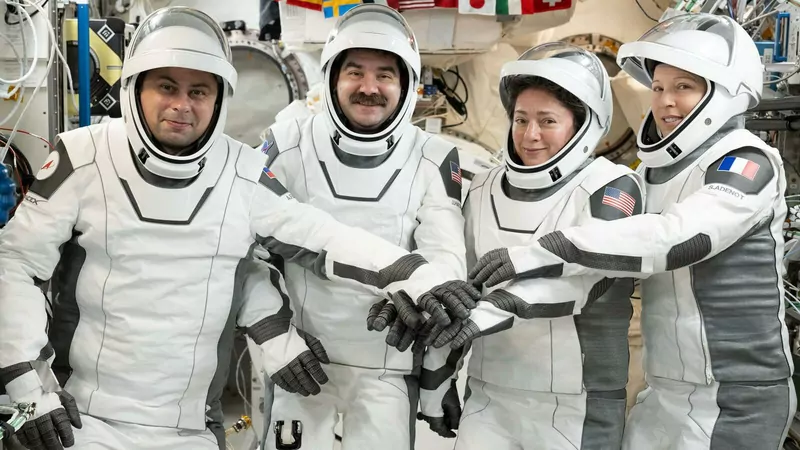
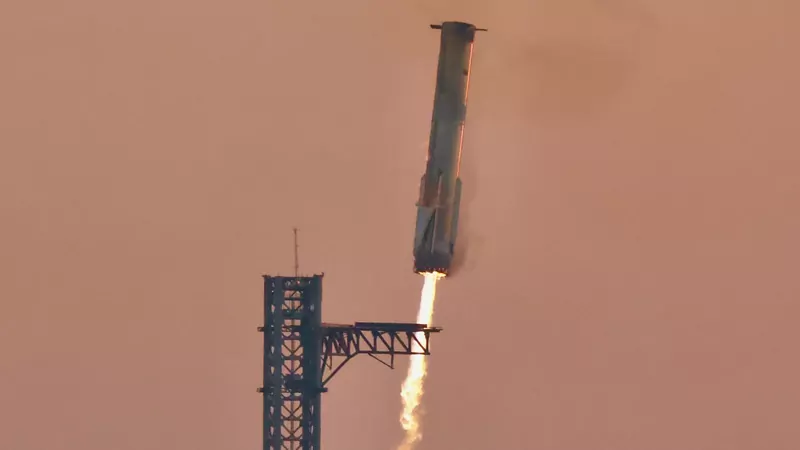
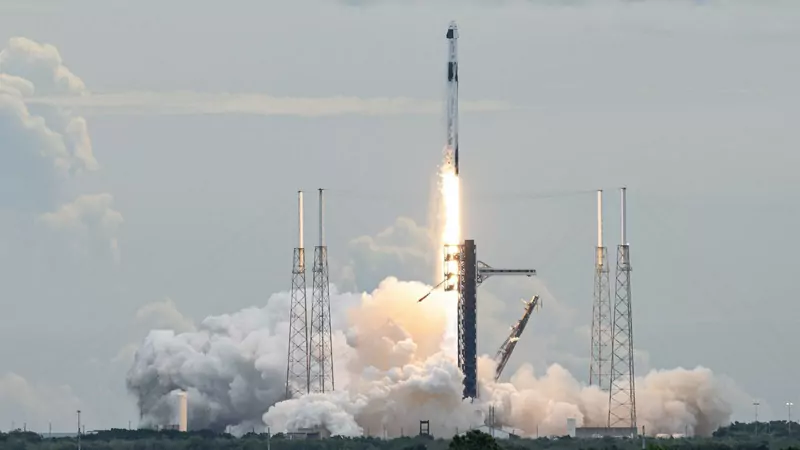
On September 28, Starship reached orbit for the first time and released 26 Starlink satellites, and the next flight is penciled in for October 19 at the earliest. On October 1, a Falcon 9 booster landed back at Cape Canaveral after launching NASA's Crew-13 astronauts.