When to Get a Flu Shot in 2026: Timing, Who and Where
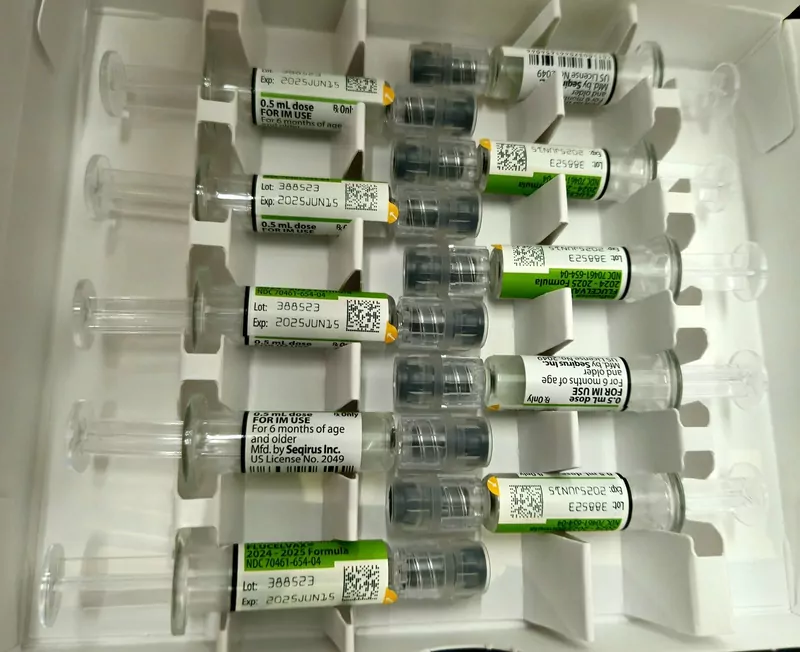
The best time to get a flu shot is now: the CDC says September and October are generally good months, and that ideally everyone should be vaccinated by the end of October. It takes about two weeks after the shot for protection to build, so a mid-October shot gives you protection in time for most flu seasons, though no flu vaccine is a guarantee (CDC). If you miss October, the CDC's clinical guidance for 2026–27 says vaccination "should continue after October and throughout the influenza season as long as influenza viruses are circulating and unexpired vaccine is available" (CDC Interim Clinical Considerations).
This page is general information, not medical advice. If you have a health condition, allergies or questions about which vaccine is right for you, ask a doctor, nurse or pharmacist.
Timing at a glance
| Who | When the CDC suggests |
|---|---|
| Most people | September or October, and by the end of October if you can. Later still helps |
| Adults 65 and older | Not too early: generally not July or August, because protection can fade over the season. September or October is the aim |
| Pregnant, first or second trimester | Same as above: generally not July or August. In the third trimester an earlier shot can be considered, to pass protection to the baby |
| Children who need two doses | First dose as soon as vaccine is available, because the second must come at least four weeks later |
| Anyone who can't come back later | An early shot is better than none |
Source: the CDC's page on who needs a flu vaccine and its key facts about flu vaccines, updated September 2026.
Who should get one
- United States: the CDC recommends a flu vaccine every season for everyone 6 months and older, with rare exceptions. It matters most for people at higher risk of complications: adults 65 and older, young children, pregnant women and people with conditions such as asthma, diabetes and heart disease.
- United Kingdom: the NHS offers a free flu vaccine each autumn and winter to people aged 65 and over (including anyone who turns 65 by March 31, 2027), adults 18 to 64 with certain long-term conditions, pregnant women at any stage, care home residents, carers, people who live with someone with a weakened immune system, and frontline health and social care workers through their employer. The last date for an NHS flu vaccine is March 31, 2027 (NHS).
Which vaccine
- All US flu vaccines this season are trivalent, covering three strains: two influenza A viruses and one influenza B.
- For people under 65, the CDC does not prefer one licensed, age-appropriate vaccine over another. The nasal spray (FluMist) is an option for people 2 to 49 who are not pregnant and don't have certain conditions.
- For adults 65 and older, the CDC preferentially recommends three vaccines: Fluzone High-Dose, Flublok (recombinant) and Fluad (adjuvanted). If none is available, the CDC says to get any age-appropriate flu vaccine rather than wait.
- Most shots go in the upper arm. Young children may get it in the thigh.
Where to get it
- US: pharmacies, doctors' offices, clinics, health departments and many workplaces and schools. Most pharmacies take walk-ins or online bookings.
- UK: if you're eligible, book through the NHS App or online, find a pharmacy that offers the free NHS vaccine, or ask your GP surgery. Some people get it through maternity services, care homes or their employer.
- Same visit as other vaccines: the NHS says you can have the flu vaccine at the same time as the COVID-19 and shingles vaccines, and in pregnancy alongside the RSV (from 28 weeks) and whooping cough vaccines.
Why every year
Two reasons, according to the NHS: protection from the vaccine goes down over time, and the virus strains the vaccine covers are updated each year to match the ones expected to circulate. Flu vaccines work by prompting your body to make antibodies, which takes about two weeks (CDC). You can still catch flu after a shot, but studies cited by the CDC show vaccination reduces the severity of illness and the risk of hospital stays.
Quick answers
Is it too late to get a flu shot in November or December?
No. The CDC's Interim Clinical Considerations for 2026–27 say that while vaccination by the end of October is recommended, it "should continue after October and throughout the influenza season as long as influenza viruses are circulating and unexpired vaccine is available".
How long does the flu shot take to work?
About two weeks for antibodies to develop.
Can I get the flu shot and the COVID vaccine together?
Yes, according to the NHS; the two can be given at the same visit.
Does the flu shot give you the flu?
No. The CDC says a flu vaccine cannot cause flu: shots are made either with killed (inactivated) viruses or with proteins from the virus, and the nasal spray uses weakened viruses that can't reproduce in the lungs. Side effects are usually mild and short-lasting, the CDC says, and much milder than flu itself.
Is the flu shot free?
In the UK it is free on the NHS for eligible groups. In the US, coverage depends on your insurance or program, so check before you book; many pharmacies list the price up front.