When Do the Clocks Go Back in 2026? Date and Time
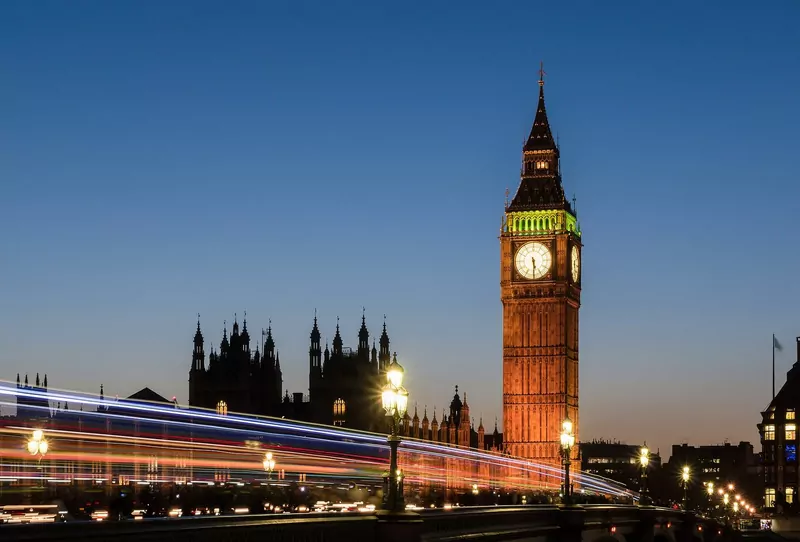
In the UK, the clocks go back one hour at 2am on Sunday, 25 October 2026. The rest of Europe changes at the same moment. Most of the US, and the parts of Canada that still change their clocks, follow a week later, on Sunday, 1 November.
The dates at a glance
| Where | When | What happens |
|---|---|---|
| UK, Ireland, Portugal | Sunday 25 October | 2am becomes 1am |
| France, Germany, Spain, Italy and most of Europe | Sunday 25 October | 3am becomes 2am |
| Finland, Greece and eastern Europe | Sunday 25 October | 4am becomes 3am |
| Most of the US, and Ontario, Quebec, Atlantic Canada and Nunavut | Sunday 1 November | 2am becomes 1am, local time |
The UK date comes from the government's official list. Every EU country changes at 1am GMT on the last Sunday of October, under EU rules. The US date is confirmed by NIST, the agency that keeps official US time. Hawaii and most of Arizona don't change their clocks.
Do you gain or lose an hour?
You gain one. The hour between 1am and 2am happens twice, so the night is an hour longer and you get an extra hour in bed. The old rule still works: spring forward, fall back.
Phones, computers and smartwatches change by themselves. You'll need to change wall clocks, ovens, older car clocks and some watches by hand. The easy way is to do it before you go to bed on Saturday night.
What changes after the clocks go back
The UK leaves British Summer Time and returns to Greenwich Mean Time. Mornings get lighter and evenings get darker. The sun sets about an hour earlier by the clock than it did the day before, so many people travel home from work in the dark from Monday.
Much of Canada has stopped changing its clocks
From this autumn, a large part of Canada no longer goes back. Four governments have ended the seasonal change, so on 1 November 2026 the clocks stay where they are in:
- British Columbia, which moved its clocks forward for the last time on 8 March 2026, the province says. A few areas near the Alberta border use mountain time.
- Alberta, which has adopted permanent Alberta Time.
- Manitoba, which announced on 17 September that it will stay on daylight saving time.
- The Northwest Territories, which has ended the seasonal change and now keeps one time all year.
Saskatchewan and Yukon already kept the same time all year. That leaves Ontario, Quebec, the Atlantic provinces, Newfoundland and Labrador, and Nunavut as the parts of Canada that still go back on 1 November.
When do the clocks go forward again?
- UK and Europe: Sunday, 28 March 2027.
- US, and the parts of Canada that still change: Sunday, 14 March 2027, the second Sunday of March.
After that, the UK clocks go back again on 31 October 2027.
Quick answers
Do the clocks go back on Saturday night or Sunday night?
Saturday night. The change happens in the early hours of Sunday, 25 October, so clocks are already on the new time when you wake up on Sunday.
Do the clocks go back in the US on the same day?
No. Most of the US changes a week later, at 2am on Sunday, 1 November 2026. So do Ontario, Quebec, the Atlantic provinces, Newfoundland and Labrador, and Nunavut. For that week, the time gap between London and New York is four hours, not five.
Why do the clocks change?
Moving clocks forward in spring shifts an hour of daylight from the morning to the evening for the summer. Going back in autumn returns the country to its standard time, which in the UK is GMT.