SpaceX CRS-35 Launch: Time, Cargo and How to Watch
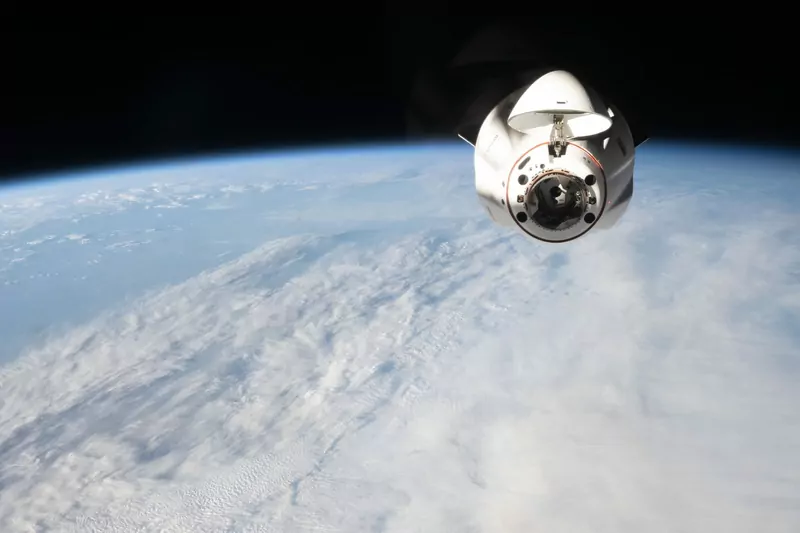
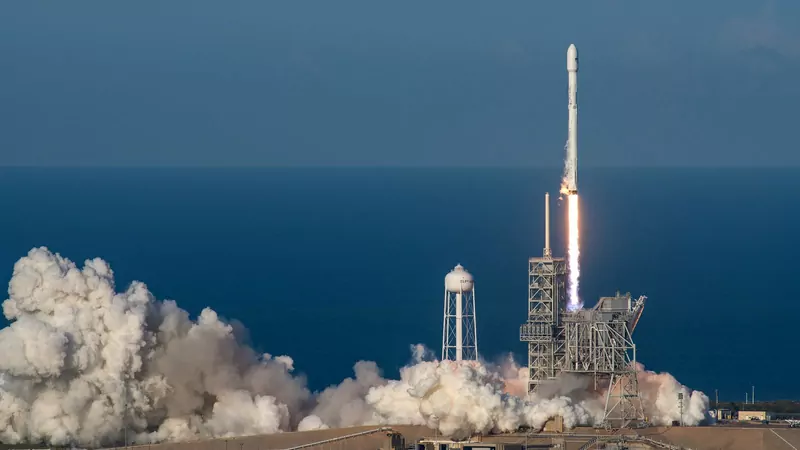
SpaceX's 35th commercial resupply mission to the International Space Station, CRS-35, is set to launch no earlier than Tuesday, Oct. 13 at 6:33 a.m. EDT (10:33 UTC). A Falcon 9 will lift a cargo Dragon from Space Launch Complex 40 at Cape Canaveral Space Force Station in Florida. NASA's flight plan says only that CRS-35 launches in the fall, and its media advisory says no earlier than October. The Oct. 13 date and 10:33:44 UTC time come from Wikipedia's mission page and Launch Library's schedule, which list docking at about 15:00 UTC on Oct. 15.
Dragon will bring the station its final pair of roll-out solar arrays, plus food, supplies and new experiments. The launch has not been given a firm date by NASA yet, so times can move.
What time is the CRS-35 launch in your city?
| Where | Launch, no earlier than Tue. Oct. 13 | Docking, planned Thu. Oct. 15 |
|---|---|---|
| UTC | 10:33 | 15:00 |
| Los Angeles | 3:33am | 8:00am |
| Mexico City | 4:33am | 9:00am |
| New York | 6:33am | 11:00am |
| Sao Paulo | 7:33am | 12:00pm |
| London, Lagos | 11:33am | 4:00pm |
| Paris, Johannesburg | 12:33pm | 5:00pm |
| Mecca, Riyadh, Cairo, Nairobi | 1:33pm | 6:00pm |
| Dubai | 2:33pm | 7:00pm |
| Karachi | 3:33pm | 8:00pm |
| Delhi, Mumbai | 4:03pm | 8:30pm |
| Dhaka | 4:33pm | 9:00pm |
| Jakarta | 5:33pm | 10:00pm |
| Kuala Lumpur, Singapore | 6:33pm | 11:00pm |
| Tokyo | 7:33pm | 12:00am Fri. |
| Sydney | 9:33pm | 2:00am Fri. |
The launch time is 6:33:44 a.m. EDT. A day name after a time means it falls on a different day where you are than in Florida. The docking time is Wikipedia's planned time and NASA has not confirmed it. UK and European clocks are still on summer time until Oct. 25, and Sydney's clocks went forward on Oct. 4.
What Dragon is carrying
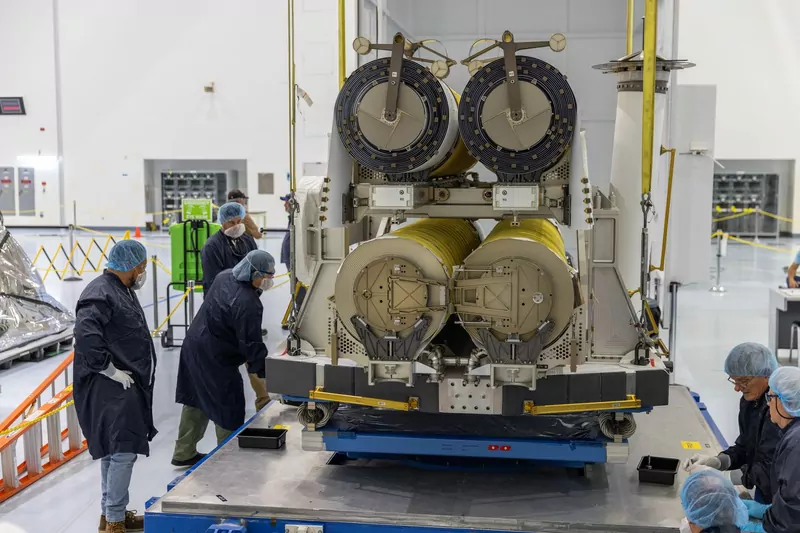
- The last two roll-out solar arrays (iROSA). Six similar arrays are already on the station, and this final pair will complete its power upgrade. Astronauts will install them on future spacewalks, NASA says. The extra power also supports the station's safe, controlled deorbit later on.
- Experiments: hardware to make artificial retinas in microgravity, which could help restore vision, and 3D heart cell models for testing drugs. Dragon also takes materials for a study of how a new type of glass forms in space, and brain organoids that could point to treatments for Alzheimer's, Parkinson's and multiple sclerosis.
- Supplies: food and equipment for the crew. The cargo weighs more than 7,200 lb (3,300 kg), NASA's flight plan says, and the mission also carries a payload designed by Langston University, Wikipedia lists.
How to watch the CRS-35 launch
NASA had not posted its CRS-35 coverage schedule on Oct. 6. For other missions it lists the platforms where it streams live coverage on its live page, and its CRS-35 mission page links the space station blog, which will track the milestones leading up to and through liftoff. NASA usually publishes its coverage times several days before a launch, so check both a few days ahead.
What happens at the station before the launch
- Wed. Oct. 7 and Thu. Oct. 8: Crew-12 undocks at no earlier than 8:05 a.m. EDT and splashes down off California at about 11:34 a.m. EDT the next day. NASA's briefing on the return, at 1:15 p.m. EDT on Oct. 8, will also cover the CRS-35 launch, NASA's advisory says. See our Crew-12 splashdown page.
- End of this week: Northrop Grumman's uncrewed Cygnus XL cargo ship is due to be released with the Canadarm2 robotic arm, NASA's station blog says. Dragon launches soon after. Crew-12's departure also frees the Harmony module's space-facing port for it, CBS News reported.
- Later in October and early November: spacewalks to install the new arrays, CBS News reported.
Why this cargo flight is happening now
CRS-35 was first planned for November 2026. After the Nov. 27, 2025 launch of Soyuz MS-28 damaged the pad at Baikonur's Site 31, NASA moved it earlier. It slid back to this autumn once Russia repaired the pad quickly, Wikipedia's account says.
Launch and docking times are as of Oct. 6, 2026. "No earlier than" means the date can slip, so check NASA before launch day.