Orionid Meteor Shower 2026: When and How to See It
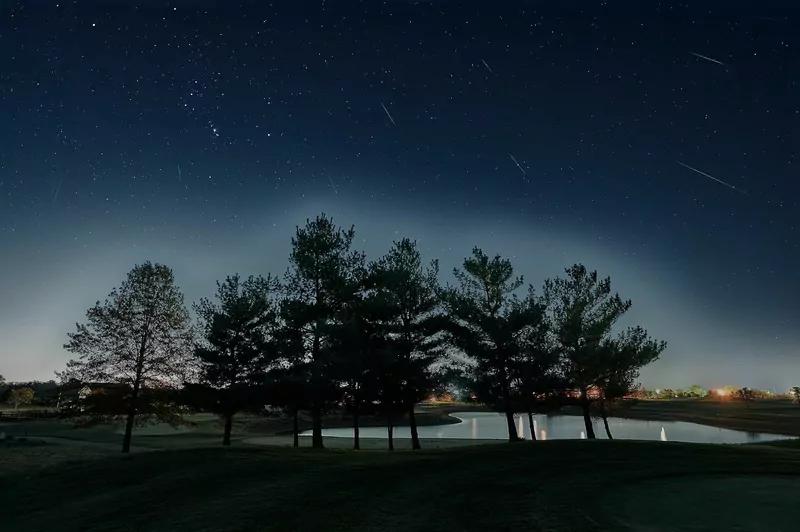
The Orionid meteor shower peaks on the night of October 21–22, 2026. Under a dark sky you can expect 10 to 20 meteors an hour, and they're tiny pieces of Halley's Comet burning up in the atmosphere. The shower is visible from both hemispheres, and the best views come after midnight.
Orionids 2026 at a glance
- Peak: the night of Wednesday, October 21 into Thursday, October 22
- Active: October 2 to November 7, 2026
- Rate at peak: about 10 to 20 meteors an hour under dark skies
- Speed: about 66 km (41 miles) per second
- Parent comet: 1P/Halley
Dates and figures from NASA's Orionids page.
The best time to look this year
The Moon will be in the way for part of the night. It reaches first quarter on October 18, so on the peak night it's about three-quarters lit and bright enough to wash out fainter meteors.
The good news is that it sets in the early hours. In London and New York, the Moon goes down at around 3 a.m. local time on October 22, by our calculation. That leaves a dark window from moonset until dawn, when Orion is high in the sky. If you can only go out once, go out between about 3 a.m. and first light on Thursday, October 22.
Meteors keep coming for several nights around the peak, so October 20–21 and 22–23 are worth a look too.
How to watch
- Get away from lights. A park, a field or a dark garden beats a lit street.
- Lie back and look up. NASA suggests lying flat with your feet to the southeast in the Northern Hemisphere, or to the northeast in the Southern Hemisphere, and taking in as much sky as you can.
- Give your eyes time. It takes up to 30 minutes in the dark for your eyes to adapt. Keep your phone screen off.
- Don't stare at Orion. The meteors seem to come from near the bright star Betelgeuse, but they cross the whole sky. Looking a little away from Orion shows longer trails.
You don't need a telescope or binoculars. Orionids are fast and often bright. NASA says some leave glowing "trains" that hang in the sky for several seconds or longer, and a few become fireballs.
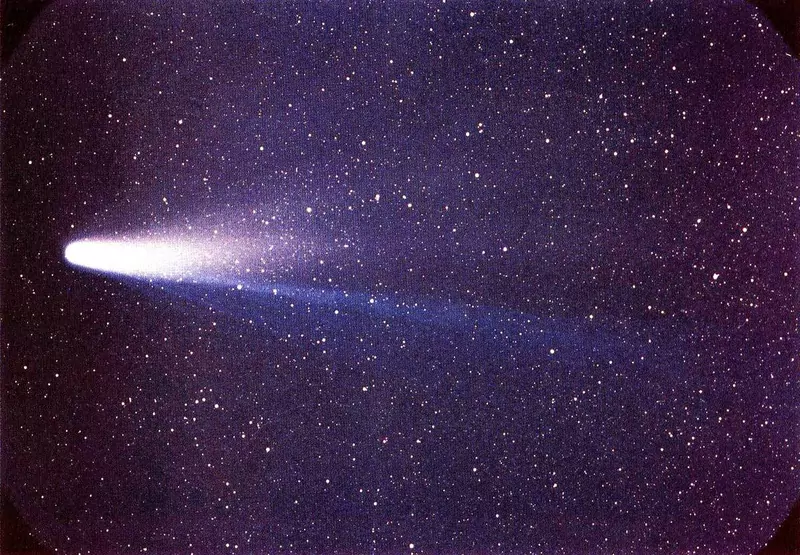
Why the Orionids come from Halley's Comet
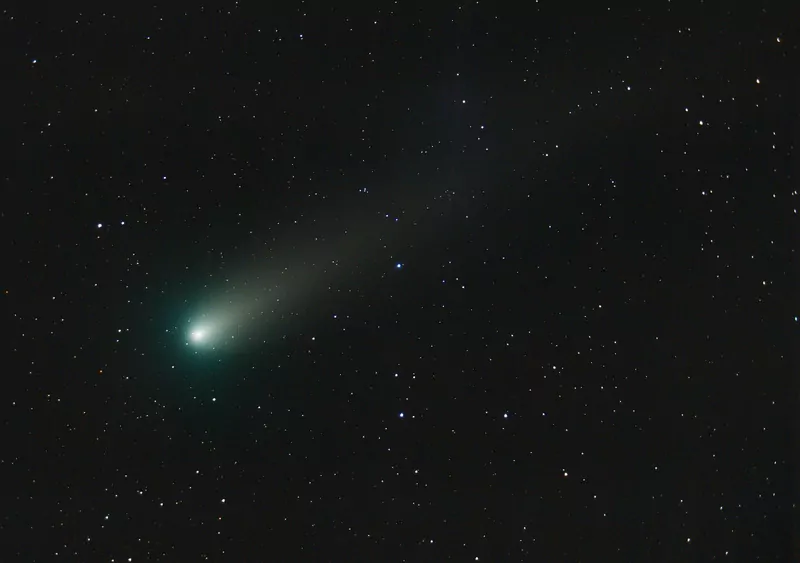
Each time Halley's Comet passes the Sun, it sheds dust and bits of rock along its orbit. Earth crosses that trail twice a year. In October the debris makes the Orionids, and in May the Eta Aquarids.
The comet itself takes about 76 years to go around the Sun. Casual skywatchers last saw it in 1986, and it won't be back in the inner solar system until 2061, NASA says. For now, the Orionids are the closest most of us get to it.
Quick answers
When is the Orionid meteor shower in 2026?
It's active from October 2 to November 7, and peaks on the night of October 21–22.
Can I see the Orionids from the Southern Hemisphere?
Yes. They're visible from both hemispheres in the hours after midnight.
Will the Moon ruin it?
Not completely. The Moon is bright before it sets, but it goes down in the early hours, leaving a few dark hours before dawn on the peak night.