JAXA MMX Launch: Date, Time in 23 Cities, How to Watch
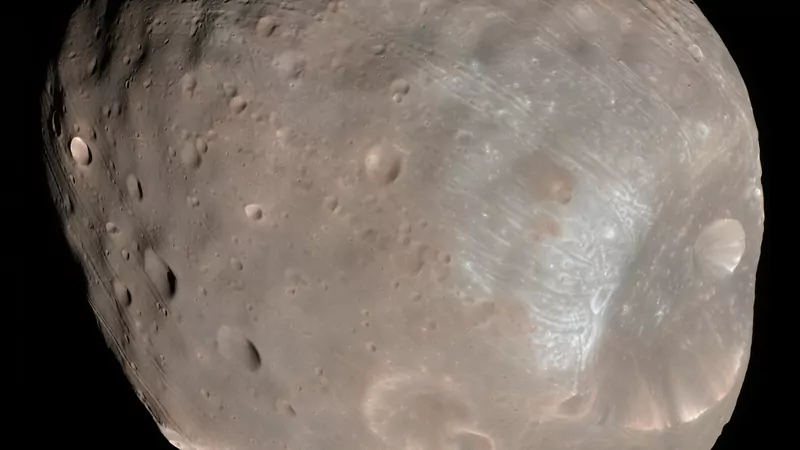
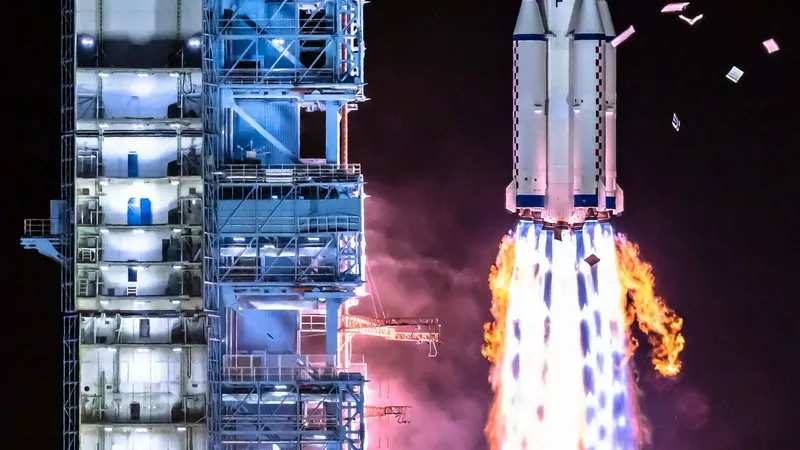
Japan's MMX spacecraft is due to launch on October 20, 2026 at 04:41:03 Japan time, which is 19:41 UTC on October 19, according to JAXA. Its goal is to land on Mars's moon Phobos, scoop up soil and bring it home. No spacecraft has ever returned material from the Mars system.
The launch at a glance
- Launch: October 20, 2026, 04:41:03 JST (19:41:03 UTC on October 19)
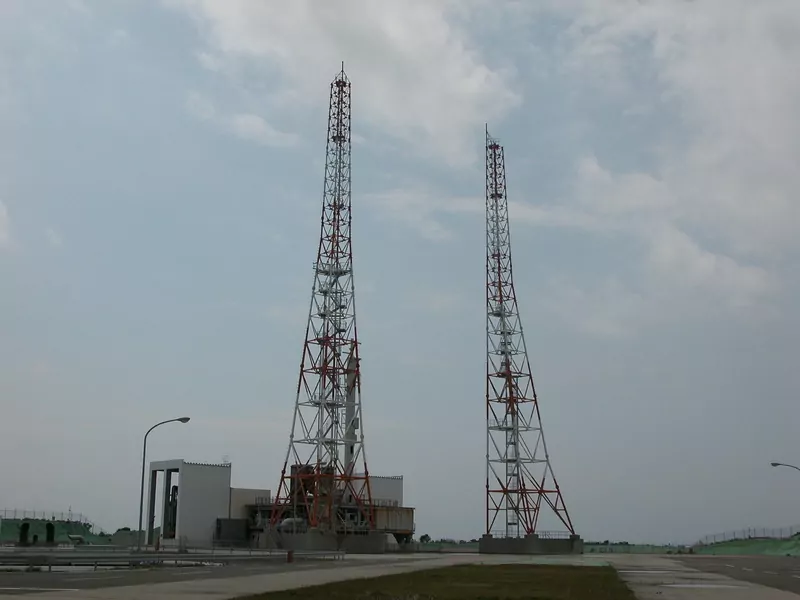
- Rocket and site: H3 rocket, flight No. 10, from the Yoshinobu Launch Complex at the Tanegashima Space Center, Japan
- Backup dates: October 21 to November 7; the launch time is set separately for each day
- Target: Phobos, with observations of Mars's other moon, Deimos
- Sample goal: more than 10 grams of Phobos material
- Back on Earth: around 2031, with the capsule recovered in Australia
Launch time in 23 cities
These are local times for liftoff on the first launch day. If the launch slips to a backup day, JAXA sets a new time.
| City | Launch time |
|---|---|
| Los Angeles | Mon, Oct 19 · 12:41 pm |
| Mexico City | Mon, Oct 19 · 1:41 pm |
| New York | Mon, Oct 19 · 3:41 pm |
| São Paulo | Mon, Oct 19 · 4:41 pm |
| Casablanca | Mon, Oct 19 · 7:41 pm |
| London | Mon, Oct 19 · 8:41 pm |
| Lagos | Mon, Oct 19 · 8:41 pm |
| Algiers | Mon, Oct 19 · 8:41 pm |
| Johannesburg | Mon, Oct 19 · 9:41 pm |
| Cairo | Mon, Oct 19 · 10:41 pm |
| Istanbul | Mon, Oct 19 · 10:41 pm |
| Nairobi | Mon, Oct 19 · 10:41 pm |
| Riyadh | Mon, Oct 19 · 10:41 pm |
| Dubai | Mon, Oct 19 · 11:41 pm |
| Karachi | Tue, Oct 20 · 12:41 am |
| Delhi | Tue, Oct 20 · 1:11 am |
| Dhaka | Tue, Oct 20 · 1:41 am |
| Jakarta | Tue, Oct 20 · 2:41 am |
| Kuala Lumpur | Tue, Oct 20 · 3:41 am |
| Singapore | Tue, Oct 20 · 3:41 am |
| Manila | Tue, Oct 20 · 3:41 am |
| Tokyo (JAXA time) | Tue, Oct 20 · 4:41 am |
| Sydney | Tue, Oct 20 · 6:41 am |
Daylight saving time applies where it is in force on October 19. Morocco moved to GMT on September 20, 2026.
How to watch
JAXA will stream the launch live, from about 55 minutes before liftoff (around 18:46 UTC) to about 75 minutes after. The stream is planned for JAXA's YouTube channel and for Niconico Live; JAXA had not yet posted the YouTube link when this page was written. JAXA warns that the broadcast time can change with launch preparations. Details are on JAXA's live broadcast page (in Japanese).
What MMX will do
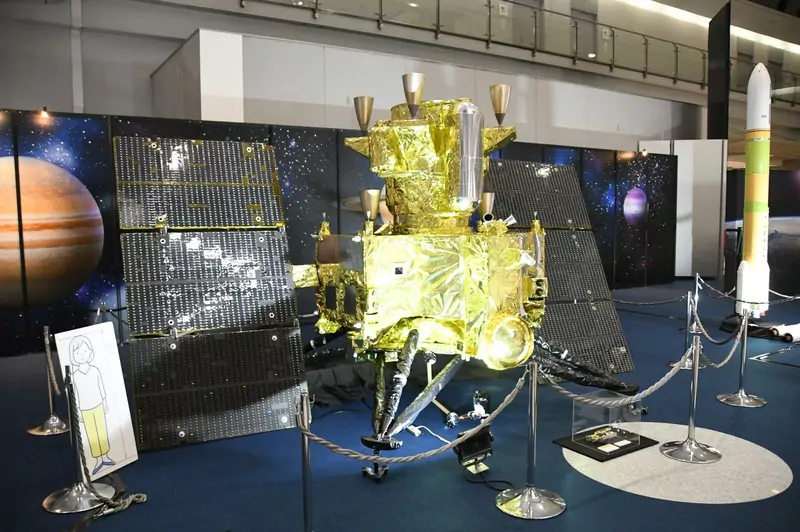
After launch, MMX travels for about a year and reaches Mars's neighborhood in 2027. It will then spend about three years there. First it studies Phobos and Deimos from orbit and drops a small French-German rover, IDEFIX, on Phobos to test the surface. Then the main spacecraft lands on Phobos and collects the sample. It leaves in 2030 and sends a capsule back to Earth around 2031, JAXA says. NASA, France's CNES, Germany's DLR and ESA all contribute instruments or support.
Why Phobos, and why now
Nobody knows where Mars's two moons came from. One idea is that a giant impact threw up debris that formed them; the other is that Mars captured passing asteroids. Samples from Phobos could settle it. Earth and Mars line up for a launch only about every 26 months, and JAXA had first aimed for 2024 before problems with the H3 rocket delayed the mission, Space.com reports. Earlier Phobos missions from the Soviet Union in 1988 and from Russia in 2011 did not reach their goals, but Japan has already brought samples home from two asteroids, Itokawa in 2010 and Ryugu in 2020.