Jio IPO: Price Band, Lot Size, Allotment and Listing Date
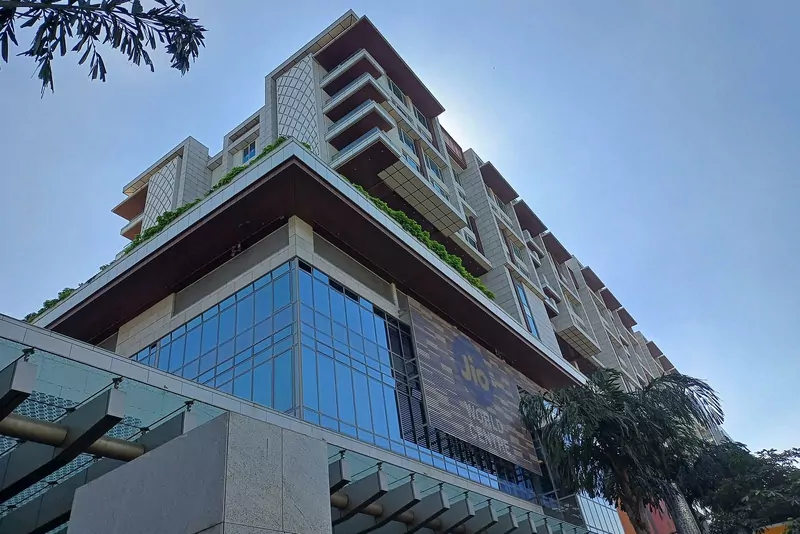
Reuters-based reports say Jio Platforms, the digital arm of Reliance Industries, will open its IPO on Wednesday, October 21 and list on Wednesday, October 28; as of October 12 the company had not published a price band, a lot size or an official timetable. The latest reports, from October 9, put the price band at ₹1,065 to ₹1,119 per share, after earlier reports of ₹1,150 to ₹1,220. None of these figures is official. What is confirmed comes from the draft prospectus filed on June 19, and this page marks every item as confirmed, reported or not announced.
The Jio IPO at a glance
| Status | What we know | |
|---|---|---|
| Company | Confirmed | Jio Platforms Limited. Its promoter, Reliance Industries, holds 66.43% before the IPO (5,937,841,645 shares). Its subsidiary Reliance Jio Infocomm had 524.4 million customers on March 31, 2026 (draft prospectus). |
| Type of issue | Confirmed | A fresh issue of up to 270,000,000 shares of ₹10 face value and no offer for sale, so the money goes to the company. That is about 2.9% of the company after the issue (our arithmetic from the draft prospectus). |
| Use of the money | Confirmed | Up to ₹27,500 crore to prepay borrowings of Reliance Jio Infocomm, and the rest for general corporate purposes. |
| Where it will list | Confirmed | BSE and NSE. The registrar is KFin Technologies, and 19 banks lead the issue (draft prospectus). |
| Bidding dates | Reported | Opens Wednesday, October 21 and closes Friday, October 23, Reuters reports (Outlook Money). Bidding must stay open at least three working days. |
| Price band | Not official | Reported on October 9 as ₹1,065 to ₹1,119 per share (Lapaas Voice, citing Moneycontrol, Reuters and Bloomberg). Earlier reports said ₹1,150 to ₹1,220 (Economic Times, via Outlook Money). The company must publish the final band at least two working days before bidding opens. |
| Lot size | Not announced | It comes with the price band. The minimum bid is the lot size times the price. |
| Size of the issue | Depends on the price | At the reported band, up to about ₹28,755 crore (at ₹1,065) to ₹30,213 crore (at ₹1,119) if all 27 crore shares sell (our arithmetic). Reuters and PTI earlier reported about ₹37,700 crore, or $3.8 billion (Outlook Money, Angel One). Either way it would beat Hyundai Motor India, which raised about ₹27,870 crore in 2024 (Lapaas Voice). |
| Valuation | Reported | About ₹10.3 lakh crore, or $107 billion, at the top of the reported band (Lapaas Voice). |
Timetable (reported, not official)
| Date | What happens | Status |
|---|---|---|
| Monday, October 19 | Anchor (large institutional) investors bid, the working day before opening | Reported (Reuters) |
| Wednesday, October 21 | Bidding opens | Reported |
| Friday, October 23 | Bidding closes. The cut-off on the closing day depends on how you bid: 5:00 pm IST in your broker’s online 3-in-1 account, 4:00 pm IST by net banking, mobile banking or a syndicate UPI bid up to ₹5,00,000, and 3:00 pm IST for non-retail bids made through the syndicate. UPI approvals end at 5:00 pm IST (draft prospectus) | Closing date reported; times from the draft |
| Monday, October 26 | Basis of allotment: who gets shares | Reported |
| Before listing | Money is unblocked for bids that got no shares, and shares reach the demat accounts of allottees | Dates in the final prospectus |
| Wednesday, October 28 | Shares start trading on BSE and NSE, three working days after closing | Reported |
The company has to file its final prospectus (the red herring prospectus) before bidding starts. Reuters says that is expected after October 12, and the price band and lot size come with it. We will update this page when they are out.
Who can bid, and how much is reserved
- Retail investors: not less than 35% of the net issue. A retail bid is up to ₹2,00,000, and only retail investors and employees can bid at the “cut-off” price, which means accepting whatever final price is set.
- Non-institutional investors: not less than 15%, for bids above ₹2,00,000.
- Large institutions (QIBs): not more than 50%, including the anchor investors.
- Employees and Reliance shareholders: two reserved portions. An eligible Reliance shareholder is an individual or Hindu undivided family that holds Reliance Industries shares on the day the final prospectus is filed. The size of both portions was left blank in the draft.
All of this is from the issue structure in the draft prospectus.
How to apply
- You need a demat account, a PAN and a bank account. For a UPI bid, use your own UPI ID with a bank on SEBI’s list: bids made with someone else’s UPI ID or bank account are not considered for allotment (SEBI investor site).
- Once bidding opens, place the bid in your broker’s or bank’s app: the number of lots and the price.
- Approve the UPI request in your UPI app in time. UPI approvals end at 5:00 pm IST on the closing day, but the bidding cut-off depends on the channel: 5:00 pm IST in your broker’s online 3-in-1 account, 4:00 pm IST by net banking, mobile banking or a syndicate UPI bid up to ₹5,00,000, and 3:00 pm IST for non-retail bids made through the syndicate. Paper forms close earlier (draft prospectus). The money is blocked in your account, not paid, until shares are allotted.
- UPI can be used for bids up to ₹5,00,000. A bid between ₹2,00,000 and ₹5,00,000 counts as non-institutional (SEBI FAQ).
- After allotment, your bank unblocks the money if you got no shares. You can check the result with the registrar, KFin Technologies; we will add the link once allotment is final.
Apply only from your own bank or broker app, and do not trust “apply here” links forwarded in chat groups.
Jio Platforms in numbers
| FY24 | FY25 | FY26 | |
|---|---|---|---|
| Revenue from operations (₹ crore) | 1,09,558 | 1,28,218 | 1,46,885 |
| EBITDA (₹ crore) | 54,959 | 64,170 | 76,255 |
| Profit after tax (₹ crore) | 21,423 | 26,109 | 30,049 |
| Total borrowings (₹ crore) | 54,349 | 73,060 | 70,781 |
| Customers of Reliance Jio Infocomm (million) | 481.8 | 488.2 | 524.4 |
| Average revenue per customer, last quarter (₹ a month) | 181.7 | 206.2 | 214.0 |
The figures are from the restated consolidated accounts in the draft abridged prospectus, converted from ₹ million to ₹ crore. Profit after tax rose about 15% in FY26.
What we do not know yet
- The official price band, the lot size and the minimum amount to bid.
- Whether the dates hold. They are reported, and the company has not confirmed them.
- The size of the employee and Reliance shareholder portions, and the list of anchor investors.
This page gives facts and dates, not investment advice. The draft prospectus itself warns that investors should not put money into the issue unless they can afford to lose all of it.
Sources
- SEBI: Jio Platforms Limited, Draft Red Herring Prospectus (June 19, 2026)
- SEBI: Jio Platforms Limited, draft abridged prospectus
- Outlook Money: Jio Platforms IPO: Launch Date, Issue Size, Price Band, Listing Date (October 6)
- Lapaas Voice: Jio Platforms Sets IPO Price Band at ₹1,065–₹1,119 (October 9)
- Angel One: Key Details on Expected Price and Listing Date for Jio Platforms IPO (October 7, updated October 12)
- SEBI investor site: IPO through ASBA
- SEBI: Frequently Asked Questions on Issue of Capital and Disclosure Requirements (May 2025)