MTBPS 2026: key numbers from the mini budget
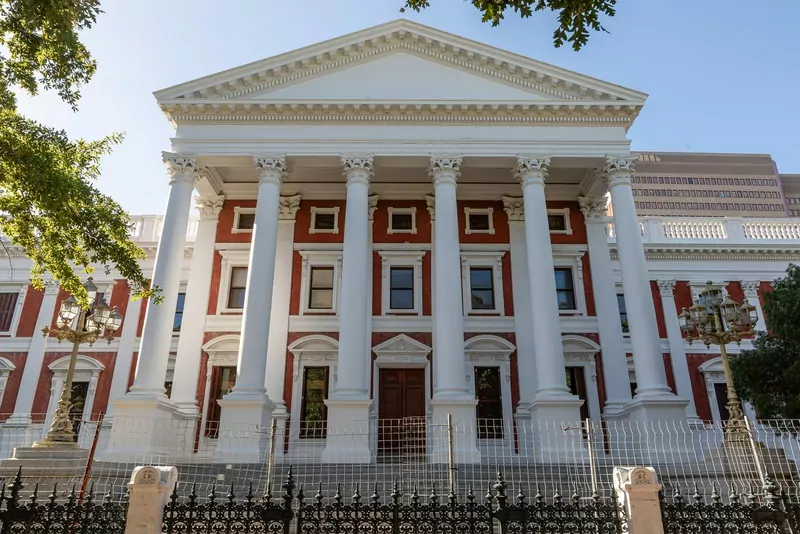
Finance Minister Enoch Godongwana tabled South Africa's 2026 Medium Term Budget Policy Statement (MTBPS), the mini budget, on Wednesday 21 October 2026. Growth is expected at 1.2% this year, revenue is R54.1 billion above projections, and the fuel levy will be cut by R1.50 a litre on petrol and R3 on diesel from 4 November. The full documents are on the National Treasury website.
The headline numbers
| Item | What the MTBPS says |
|---|---|
| Economic growth, 2026 | 1.2%, down from the 1.6% projected in February (SAnews), and slightly up on 1.1% last year |
| Growth outlook | 1.6% in 2027 and 2% by 2029 |
| Main budget revenue, 2026/27 | R54.1 billion more than projected |
| Gross tax revenue | R2.14 trillion this year, rising to R2.53 trillion in 2029/30 |
| Budget deficit (consolidated) | 3.9% of GDP this year, narrowing to 2.5% in 2029/30 |
| Primary surplus | 1.7% of GDP this year, growing to 2.9% in 2029/30 |
| Government debt | Stabilised, and projected to decline as a share of GDP |
| Savings found | R38.1 billion |
| Fuel levy relief | R1.50 a litre off petrol and R3 off diesel from 4 November to 1 December 2026, then R1 and R1.50 until 5 January 2027; worth R10 billion |
Sources: growth for 2026, revenue, deficit, primary surplus, debt and savings from TimesLIVE's report of the speech and the MTBPS (TimesLIVE). The growth outlook and tax revenue are from IOL (IOL), and the fuel levy relief from SAnews (SAnews).
What else was announced
- A fiscal anchor in law: Godongwana said the framework to control debt will be written into law next year (EWN).
- Lower fuel revenue: Treasury director-general Duncan Pieterse said fuel revenue collections will be R30 billion lower than expected in 2026/27, because of the levy relief and changes in consumer behaviour (TimesLIVE).
- Petrol prices: with the levy cut, petrol is expected to stay about the same in November and diesel to fall. See our page on the November petrol price.
The speech: when and where it was
- Date: Wednesday 21 October 2026. SAnews says it is part of the Cabinet-approved budget calendar, which remains unchanged.
- Time: 14:00 South African time (12:00 UTC). National Treasury told economists that the minister "will table the MTBPS in Parliament on 21 October at 14:00" (National Treasury notice, 28 August 2026). On 6 October Parliament confirmed that he will deliver it to a hybrid sitting of the National Assembly at 14:00 in the Good Hope Chamber (Parliament).
- Watch again: the speech was broadcast live on Parliament TV, DStv channel 408. Recordings are on Parliament's YouTube channel, youtube.com/ParliamentofRSA, and on Parliament's website.
- Documents: the full MTBPS documents are published on the National Treasury website when the minister tables them.
What the MTBPS is
The MTBPS is the government's mid-year update on its budget. The main Budget is tabled in February; in October the minister reports on how the economy and tax collection have turned out since then, and previews spending plans for the next three years, which feed into the next February's Budget.
This year Treasury links it to two items:
- the proposed 2026 Adjusted Fiscal Framework, the updated numbers for the current year, and
- the 2027 Medium Term Expenditure Framework (MTEF), the spending plan for the next three years.
After the tabling, Treasury will launch its Fiscal Outreach campaign, including a public engagement on the fiscal strategy that it moved from July to October (SAnews).
What people usually watch for
- Growth forecast: how fast Treasury now expects the economy to grow.
- Tax collection: whether revenue is above or below February's estimates.
- Debt and deficit: the updated path for government borrowing.
- Spending changes: adjustments to this year's budget and the plans for the next three years.
The MTBPS sets out direction and estimates. New tax rates are normally announced in the February Budget, not in October.
Last year
The 2025 MTBPS was tabled late, on 12 November 2025, because the main 2025 Budget itself had been delayed (National Treasury). This year it returns to its usual October slot.