Disaster Risk Reduction Day 2026: theme and home safety tips
The United Nations marks the International Day for Disaster Risk Reduction every year on 13 October. In 2026 the theme is "Resilience Starts at Home". The UN's message is that everyone deserves a home that is safe, affordable and able to withstand the hazards around it (United Nations).
What the theme means
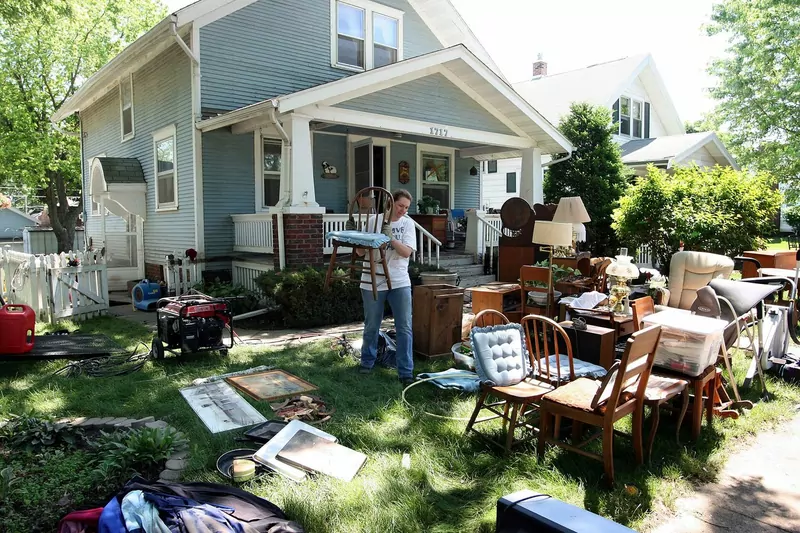
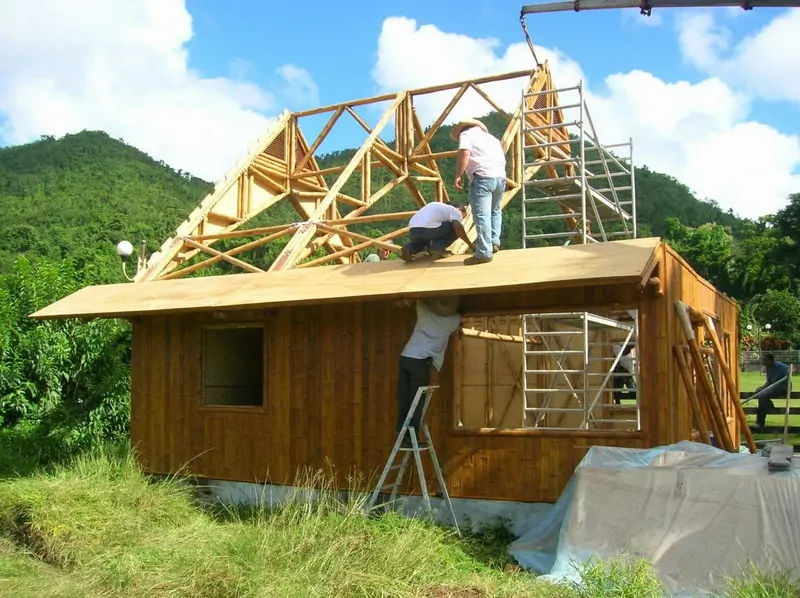
"There's no place like home," says the UN: it is where we look for comfort and shelter, but when floods rise, extreme heat sets in or other hazards strike, the home can become the frontline of a disaster. Making homes safer takes more than families preparing on their own. Governments need safer planning and building standards, businesses must put long-term safety before short-term gains, and communities need information, resources and a say in where and how they live.
The UN's key messages for the day include:
- No one should have to choose between an affordable home and a safe one.
- A warning that does not reach a household, is not understood or is not acted on is a warning that fails.
- Building resilience into homes costs a fraction of rebuilding after a disaster.
The UN points to examples from around the world, from families moving to safer homes in the Philippines to centuries-old earthen building techniques that keep homes cooler across West Africa.
The numbers behind it
- Total disaster costs now exceed $2.3 trillion a year once indirect and ecosystem losses are counted.
- About 100 million people were affected by disasters each year on average between 2016 and 2025.
- 128 countries now report having early warning systems for several hazards, up from 55 in 2015.
- The UN says average disaster-related deaths per 100,000 people have fallen by 65%.
All four figures come from the UN observance page.
What to put in a home emergency kit
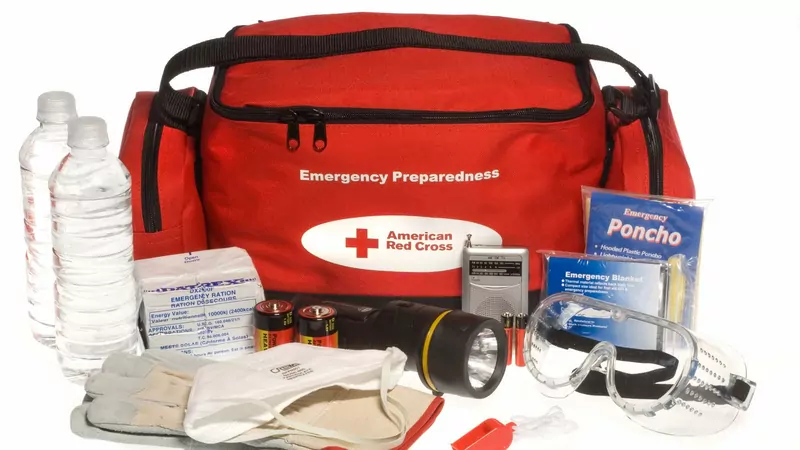
The US government's Ready.gov recommends keeping these basics together in one or two easy-to-carry containers (Ready.gov):
- Water: one gallon (about 3.8 litres) per person per day, for several days, for drinking and hygiene
- Food: at least several days' supply of non-perishable food, plus a manual can opener
- A battery-powered or hand-crank radio, a flashlight and extra batteries
- A first aid kit
- A whistle to signal for help, and a dust mask
- A phone with chargers and a backup battery, and local maps
It then suggests adding items to suit your household, including:
- prescription medicines, glasses and any other medicines you use
- copies of important papers (ID, insurance, bank records), saved electronically or in a waterproof container
- cash, a blanket or sleeping bag for each person, a change of clothes and sturdy shoes
- food and water for pets, and baby supplies if you have an infant
Ready.gov also says to rethink your kit once a year, replace expired items, and keep supplies at home, at work and in the car.
Four things to do at home this week
- Know your local risks: floods, storms, quakes or heat. Your city or national disaster agency has maps and alerts.
- Check that you would get a warning and understand it: turn on emergency alerts on your phone and agree on a plan with your household.
- Build or refresh a kit from the list above.
- Save your documents and medicine list somewhere you could reach them even if you had to leave in a hurry.
Where the day came from
The UN General Assembly called for a day to promote a global culture of risk awareness and disaster reduction, and the first one was held in 1989. In 2015, countries meeting in Sendai, Japan, agreed the Sendai Framework for Disaster Risk Reduction, which stresses that disasters hit hardest at the local level (United Nations).