California Makes Eid a State Holiday: What AB 2017 Changes
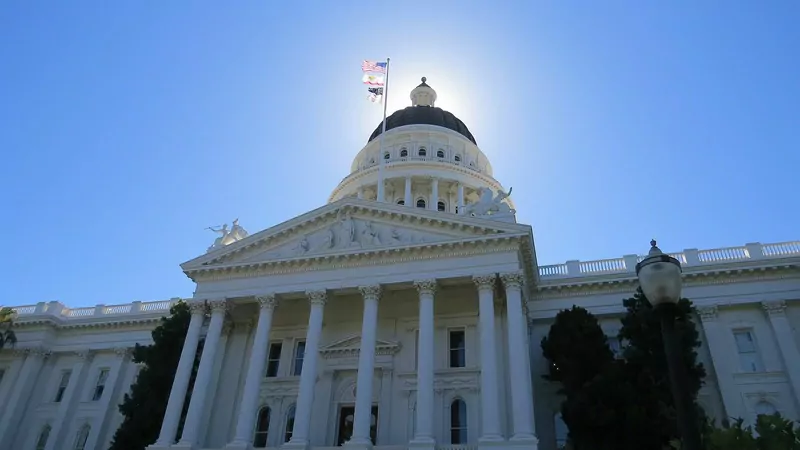
Gov. Gavin Newsom signed Assembly Bill 2017 on Sept. 27, adding Eid al-Fitr and Eid al-Adha to California's list of state holidays. California is the second state to do so. Washington was the first, in 2025.
The law helps Muslim students and workers plan around the two holidays, but it does not close anything by itself. Here is what it does and does not do, based on the bill text.
What the law does
- State workers can choose to use 8 hours of vacation, annual leave, compensating time off or personal holiday credit for each Eid.
- Public schools and community colleges may close on the two days, but only through local decisions and agreements with their employees.
- Classrooms may include exercises on the history of Eid, paid for from existing funds. The State Board of Education may adopt an optional model curriculum guide.
- Courts are not required to close. Eid is left off the list of judicial holidays.
What it does not do
It does not give everyone a paid day off. The law says that being on the state calendar "does not, by itself, require the closure" of courts, state offices, schools, colleges, local agencies or private businesses, and that no one has to take part in a ceremony or event. It does not make Eid a mandatory paid holiday.
Dates to know
- Jan. 1, 2027: when the law is expected to take effect. The similar law that made Diwali a state holiday took effect in January 2026.
- Eid al-Fitr marks the end of Ramadan. It is expected around March 9 to 11, 2027, depending on moon sighting.
- Eid al-Adha falls on the 10th of Dhu al-Hijjah, during the Hajj pilgrimage season. It is expected about ten weeks later, around May 16, 2027.
Who backed it
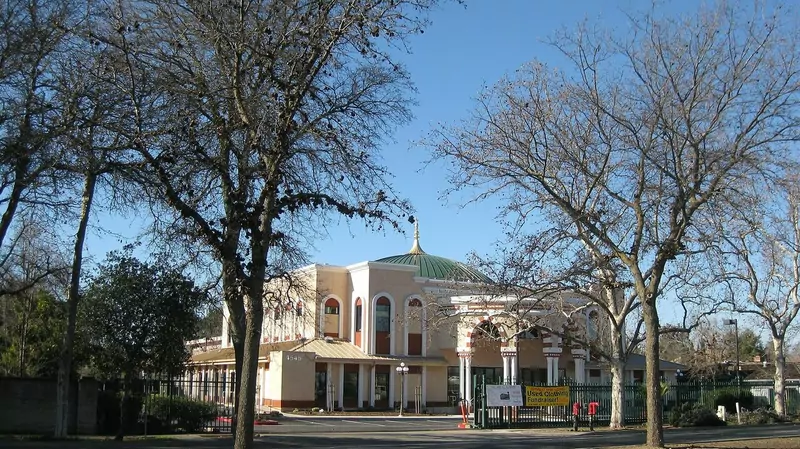
Assemblymember Matt Haney wrote the bill. CAIR-CA, the California Commission on Asian and Pacific Islander American Affairs and the Muslim Impact Council co-sponsored it, and it passed the Assembly 64 to 1. Haney said California "is home to one of the largest and most vibrant Muslim communities in the country" in a press release quoted by American Bazaar.